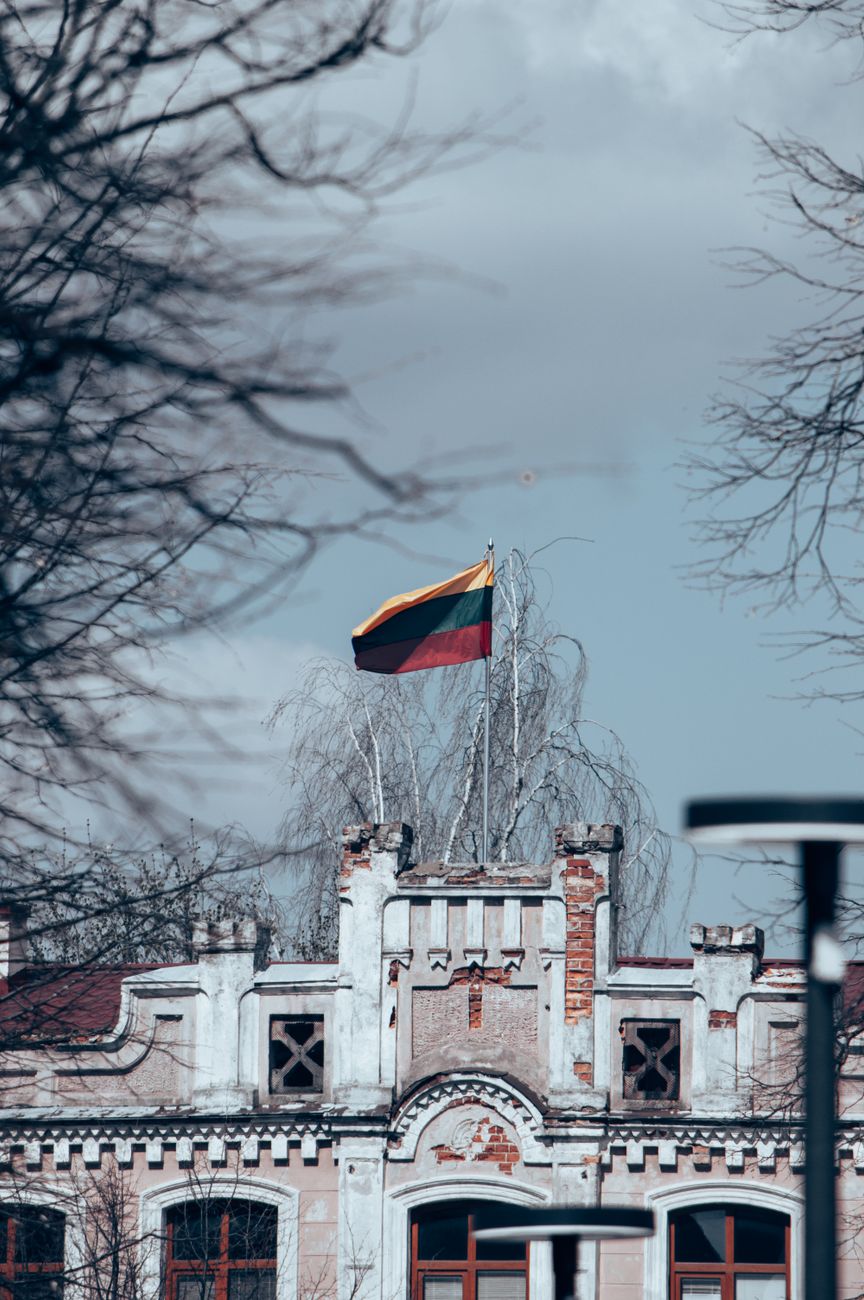
Who Was Romas Kalanta
Who was Romas Kalanta
Romas Kalanta
A Symbol of Resistance in Lithuania
This presentation explores the life and legacy of Romas Kalanta, a pivotal figure in Lithuanian history.
Early Life
Romas Kalanta was born on February 22, 1953, in Alytus, Lithuanian SSR. He was a high school student who worked in a factory while studying at night.
Kalanta's early life was marked by a struggle between education and work.
Religious Beliefs
- He had a strong religious background, aspiring to be a Roman Catholic priest.
- His faith often brought him into conflict with Soviet authorities.
- Kalanta's spirituality influenced his views on freedom and resistance.
- He expressed his beliefs through art and music.
- His long hair and hippie sympathies set him apart from peers.
Kalanta's religious aspirations were significant in shaping his character.
Protest Against Regime
On May 14, 1972, Kalanta self-immolated in Kaunas as a protest against the Soviet regime. His act highlighted the oppressive nature of Soviet rule in Lithuania.
This tragic event became a pivotal moment in Lithuanian history.
Impact of His Death
Kalanta's self-immolation sparked the largest post-war riots in Lithuania. His protest inspired 13 more similar acts within the year.
The aftermath of his act galvanized the Lithuanian resistance movement.
Enduring Legacy
"Romas Kalanta became a symbol of the Lithuanian struggle for independence and human rights."
His legacy continues to inspire those fighting for freedom.
Recognition
In 2000, Kalanta was posthumously awarded the Order of the Cross of Vytis, recognizing his sacrifice for Lithuania's freedom.
This award reflects the national recognition of his impact.
Cultural Impact
- His story has been retold in literature and art.
- Kalanta is remembered in memorials across Lithuania.
- His sacrifice serves as a reminder of the fight for freedom.
- He is honored annually on the anniversary of his death.
- Kalanta’s legacy resonates with contemporary struggles for rights.
Kalanta's influence extends beyond his lifetime.
The Impact of Activism
Now, we will discuss the broader implications of Kalanta's actions.
Lessons from Kalanta's Life
Kalanta's courage teaches us the importance of standing up against oppression. His life encourages activism for justice and freedom.
His story is a powerful reminder of the impact of individual actions.
Conclusion
Romas Kalanta's life and sacrifice remain a critical part of Lithuania's historical narrative, representing the fight for human rights and dignity.
His legacy continues to inspire new generations.
Thank You
Questions and Discussion
I appreciate your attention. Let's discuss any questions you may have.