History of the Roman Empire
History of the Roman Empire
History of the Roman Empire
A Journey Through Time
This presentation explores the key aspects of the Roman Empire, including its rise, achievements, and legacy.
Foundation of Rome
- Founded in 753 BC by Romulus and Remus
- Originally a monarchy before transitioning to a republic
- Republic established in 509 BC
- Expansion through military conquests
- Cultural assimilation of conquered peoples
The foundation of Rome set the stage for its later transformation into a powerful empire.
The Roman Republic
The Roman Republic was characterized by a complex system of government with elected officials. It saw significant military and territorial expansion, leading to conflicts like the Punic Wars against Carthage.
Understanding the Republic is crucial to grasping how the Empire emerged.
Transition to Empire
In the 1st century BC, internal strife and civil wars weakened the Republic. Julius Caesar's rise marked the end of republican governance and ushered in imperial rule.
Caesar's assassination in 44 BC was pivotal in the transition to the Empire.
Pax Romana
- A period of relative peace and stability
- Lasted from 27 BC to AD 180
- Economic prosperity and cultural flourishing
- Expansion of trade networks across the empire
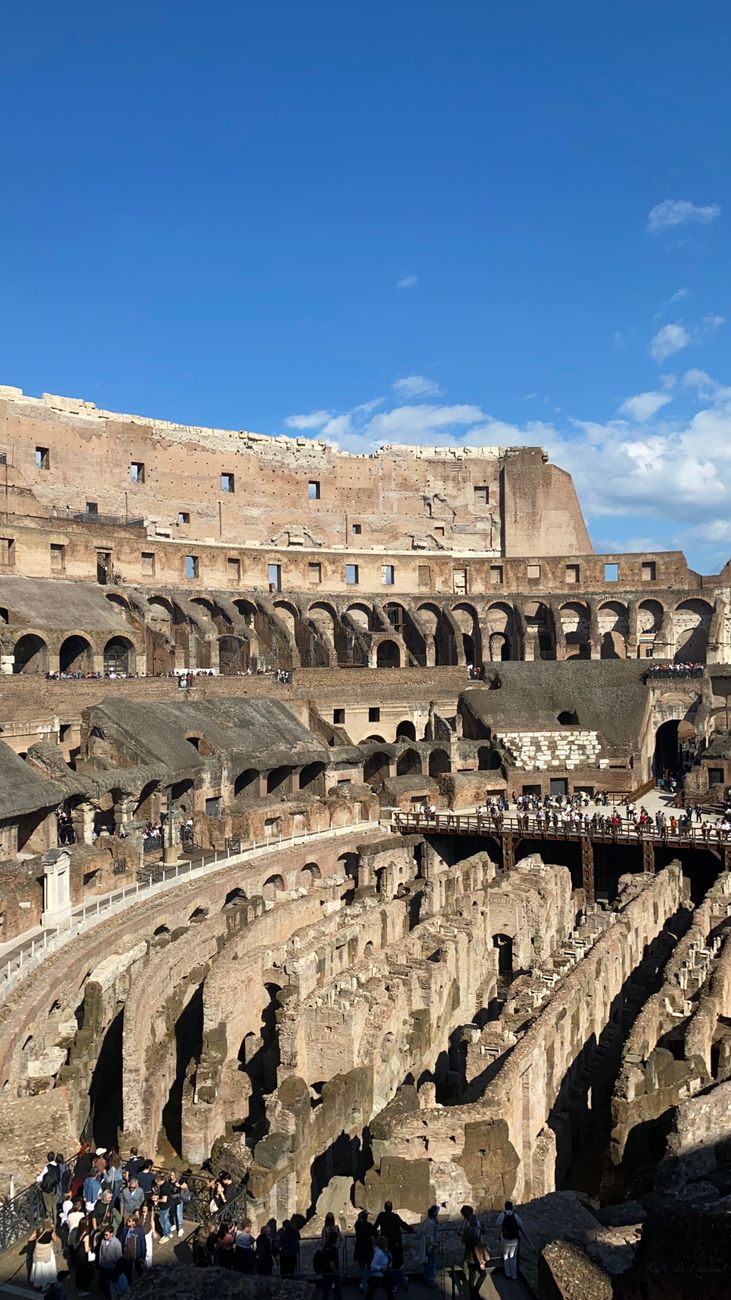
- Construction of iconic structures, like the Colosseum
Pax Romana significantly influenced the Roman way of life and governance.
Cultural and Technological Advances
The Romans excelled in engineering, architecture, and law. Innovations included aqueducts, roads, and concrete, which laid the groundwork for modern infrastructure.
These advancements had long-lasting impacts on future civilizations.
The Fall of the Western Roman Empire
By the late 4th century, the empire faced invasions, economic troubles, and internal corruption. The Western Roman Empire officially fell in AD 476.
Understanding the factors behind the fall helps us learn about the resilience of empires.
Legacy of the Roman Empire
- Influence on modern law and governance
- Spread of Christianity as a major religion
- Cultural impacts seen in art and literature
- Architectural styles that persist today
- Language roots in Latin affect many languages
The legacy of Rome continues to shape contemporary society.
The Eastern Roman Empire
Also known as the Byzantine Empire, it continued to thrive after the fall of the Western Empire, preserving Roman law and culture until 1453.
The Eastern Empire played a crucial role in the continuation of Roman traditions.
A Lasting Impact
"The Roman Empire remains one of history's most influential civilizations, shaping the course of Western history."
This quote encapsulates the enduring significance of Rome.
Conclusion
This section wraps up our exploration of the Roman Empire.
Thank You
Questions and Discussion
Thank you for your attention. I'm open to any questions you may have.