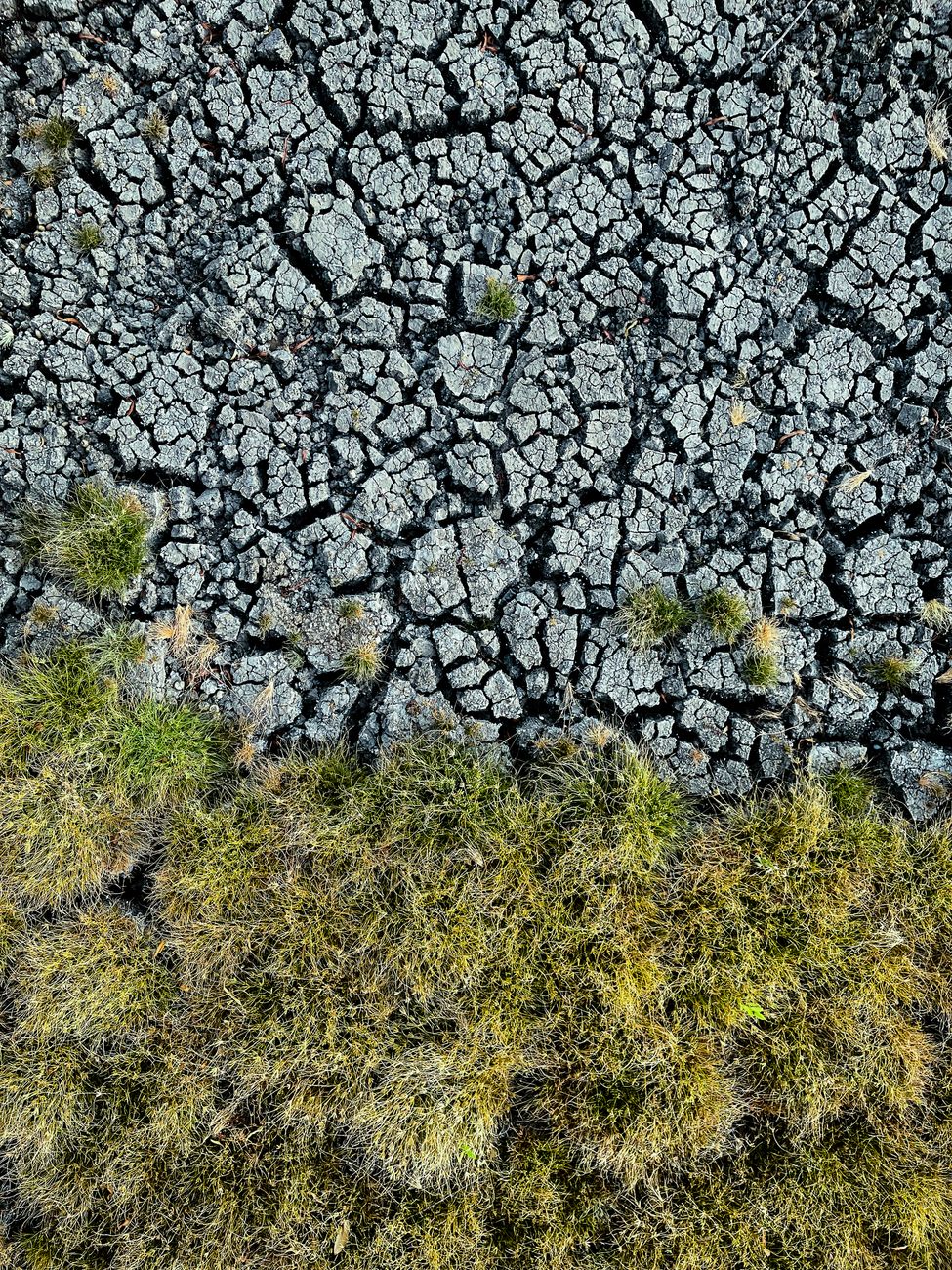
Climate Change: Causes, Impacts, and Solutions
Climate Change: Causes, Impacts, and Solutions
Climate Change: Causes, Impacts, and Solutions
Understanding the Global Challenge
Introduce the topic of climate change and its significance.
Causes of Climate Change
- Greenhouse gas emissions from fossil fuels
- Deforestation and land use changes
- Industrial processes and waste management
- Agricultural practices releasing methane
- Natural factors like volcanic eruptions
Explain the main causes contributing to climate change.
Impacts on the Environment
Climate change leads to rising sea levels, altered weather patterns, and increased frequency of extreme weather events. These changes threaten biodiversity and ecosystems globally.
Discuss the environmental impacts of climate change in detail.
Impacts on Human Health
Climate change exacerbates health risks, including heat-related illnesses, respiratory issues from air pollution, and the spread of vector-borne diseases. Vulnerable populations are most affected.
Highlight the direct effects of climate change on human health.
Economic Consequences
- Increased costs for disaster response and recovery
- Damages to infrastructure and property
- Impacts on agriculture and food security
- Job losses in climate-sensitive sectors
- Strain on global supply chains
Discuss the economic challenges posed by climate change.
Climate Crisis Urgency
"The climate crisis is a race we can win, but we must act now."
Emphasize the urgency of addressing climate change.
Mitigation Strategies
Mitigation involves reducing greenhouse gas emissions through renewable energy, energy efficiency, and sustainable practices. Transitioning to low-carbon economies is crucial.
Explain the importance of mitigation strategies in combating climate change.
Adaptation Approaches
Adaptation strategies include building resilient infrastructure, implementing early warning systems, and protecting natural habitats. Communities must prepare for climate impacts.
Discuss how adaptation can help communities cope with climate change.
Global Cooperation
- International agreements like the Paris Accord
- Shared technology and funding for developing nations
- Collaborative research on climate solutions
- Public awareness campaigns and education
- Local actions contributing to global goals
Highlight the importance of global cooperation in addressing climate change.
Role of Individuals
Individuals can contribute to combating climate change by reducing energy consumption, supporting sustainable products, and advocating for policy changes. Collective action leads to significant impact.
Encourage personal responsibility in combating climate change.
Moving Forward
Transition to discussing future directions and opportunities.
Thank You
Questions and Discussion
Invite questions and encourage discussion on the topic.