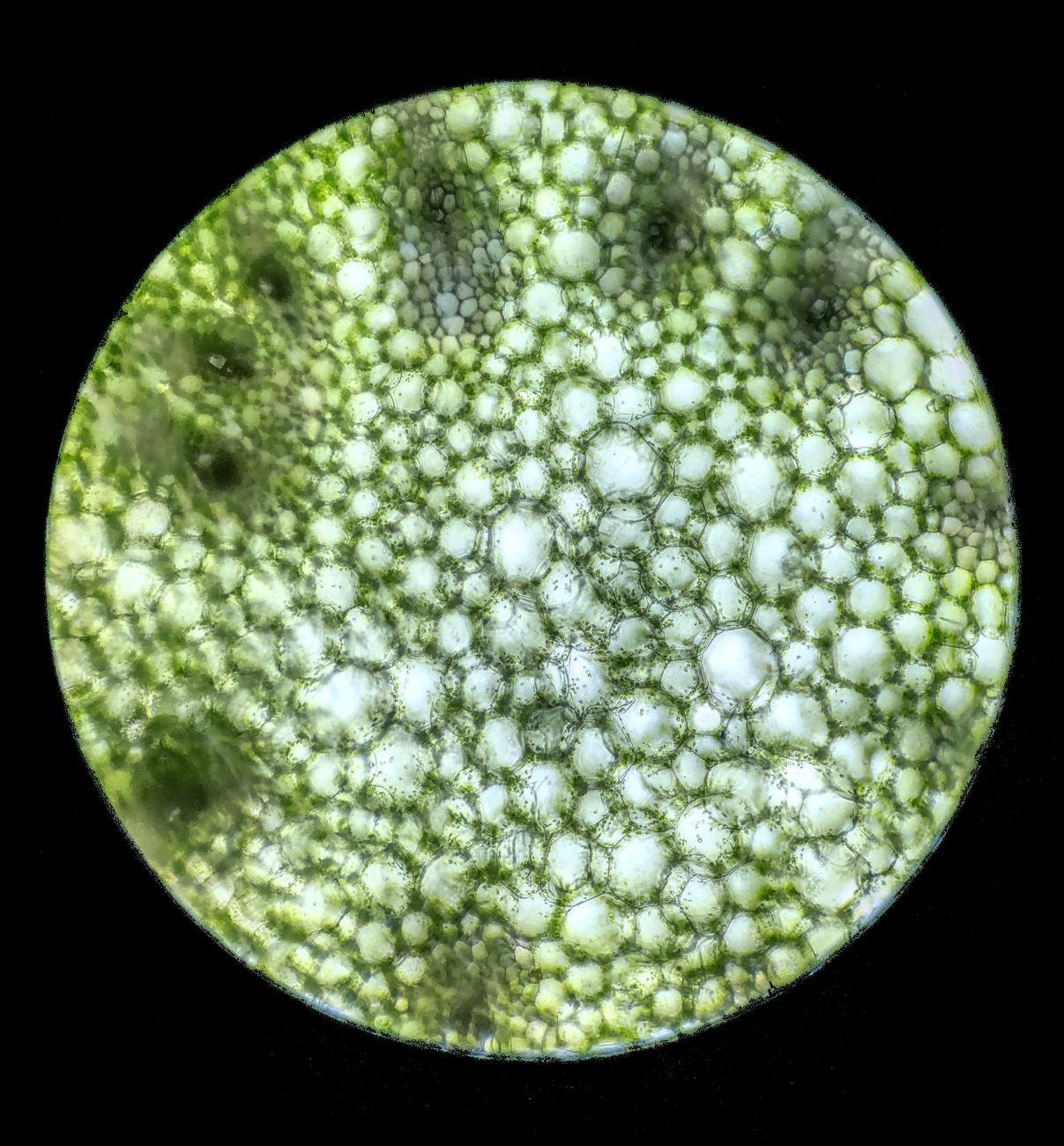
Biology 101: Cell Structure and Mitosis for High School Students
Biology 101: Cell structure and mitosis for high school students
Biology 101
Cell Structure and Mitosis
Welcome to Biology 101, where we will explore the fascinating world of cells and the process of mitosis.
What is a Cell?
A cell is the basic structural and functional unit of all forms of life. Cells can be classified into two main types: prokaryotic and eukaryotic. Prokaryotic cells, like bacteria, are single-celled organisms, while eukaryotic cells can be single-celled or multicellular, including plants and animals.
Cells are fundamental to life; understanding their structure helps us comprehend how organisms function.
Eukaryotic vs. Prokaryotic Cells
Eukaryotic cells have a defined nucleus and organelles, while prokaryotic cells lack these features. Eukaryotes include animals, plants, and fungi, whereas prokaryotes include bacteria and archaea.
This distinction is crucial as it affects how these cells operate and replicate.
Key Features of Eukaryotic Cells
- Contain a nucleus
- Have membrane-bound organelles
- Can be multicellular or unicellular
- Examples include plants, animals, and fungi
These features enable complex functions and interactions in multicellular organisms.
Cell Membrane and Cytoplasm
The cell membrane is a semipermeable barrier that regulates what enters and exits the cell. The cytoplasm contains the organelles and is the site for many metabolic processes.
Understanding these components is essential for grasping how cells maintain homeostasis.
Cell Structure
Illustration of a typical eukaryotic cell, showing various organelles.
Visual aids like this help in understanding the complex structure of cells.
Introduction to Mitosis
Mitosis is the process by which a single cell divides to produce two identical daughter cells. It is essential for growth, development, and tissue repair.
Mitosis ensures that genetic information is preserved during cell division.
Stages of Mitosis
- Prophase: Chromosomes condense and become visible.
- Metaphase: Chromosomes align at the cell's equator.
- Anaphase: Sister chromatids are pulled apart.
- Telophase: New nuclei form around the separated chromosomes.
Each stage of mitosis is critical for the accurate division of genetic material.
Cytokinesis
Following mitosis, cytokinesis occurs, dividing the cytoplasm and completing the cell division process. In animal cells, this involves the formation of a cleavage furrow.
Cytokinesis ensures that each daughter cell has the necessary components to function.
Importance of Cell Division
Mitosis is essential for growth, tissue repair, and asexual reproduction in organisms.
This quote highlights the vital role of mitosis in life processes.
Conclusion
In summary, understanding cell structure and mitosis is foundational for biology.
Thank You
Questions?
I appreciate your attention. Let's open the floor for any questions you may have.