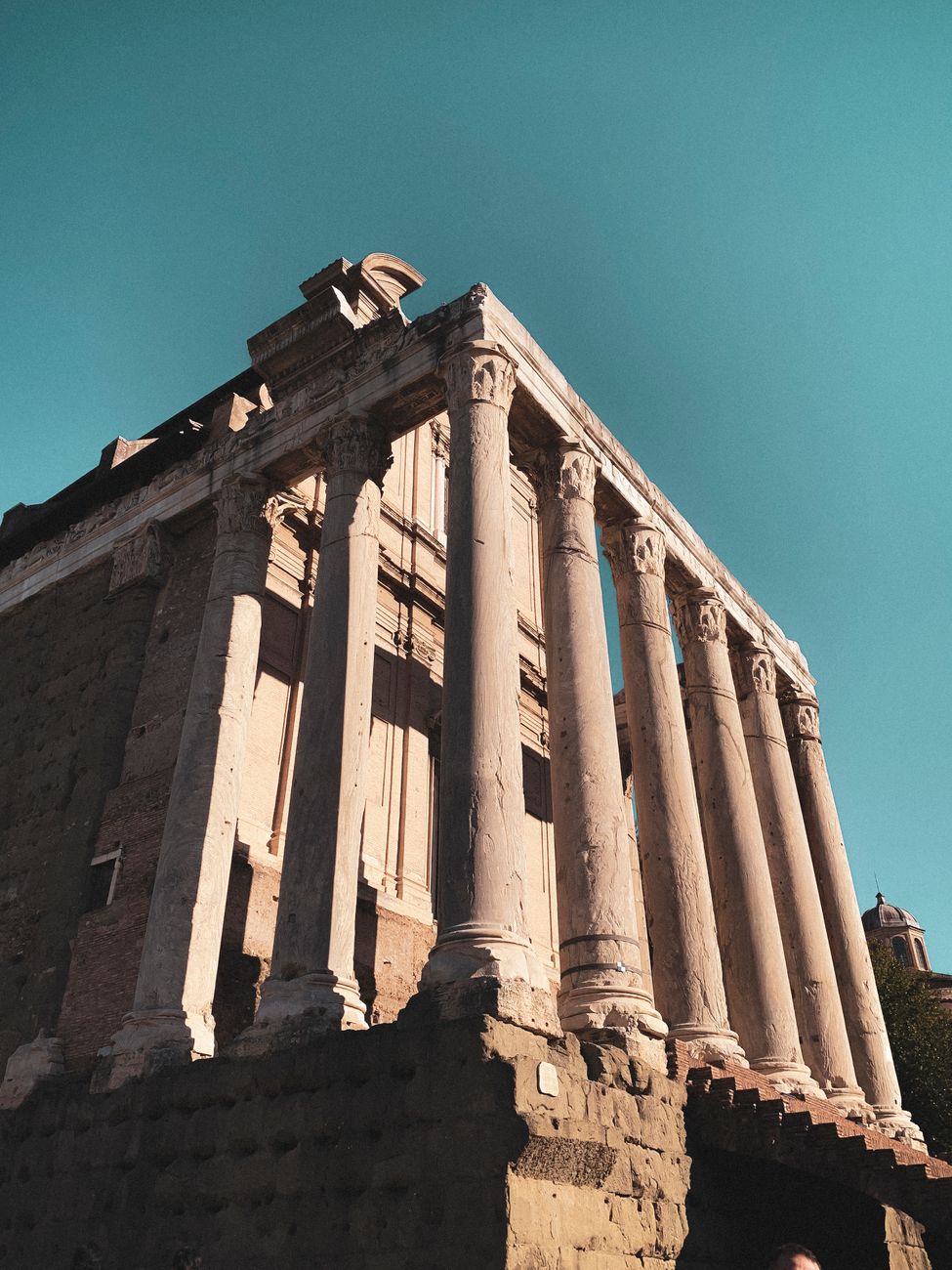
History of Roman Architecture
History of Roman Architecture
History of Roman Architecture
An Overview of Structural Innovations
This presentation will explore the key developments and influences in Roman architecture.
Key Innovations
The Romans improved upon Greek architectural principles by integrating new materials such as concrete. This innovation enabled them to create larger and more durable structures, leading to the construction of iconic buildings like the Pantheon and the Colosseum.
Here we highlight some of the significant innovations that Rome brought to architecture.
Major Structures
Next, we will explore some of the most famous Roman architectural structures.
Famous Roman Buildings
- The Pantheon
- The Roman Forum
- The Aqueducts
- New point
This slide lists prominent buildings that represent the grandeur of Roman architecture.
The Colosseum
Completed in AD 80, the Colosseum is a prime example of Roman engineering. It could hold up to 80,000 spectators and featured innovative design elements such as retractable awnings and a complex system of vaults.
In this slide, we delve into the specifics of the Colosseum's architecture and its cultural significance.
The Pantheon
The Pantheon, built during the reign of Emperor Hadrian, features a massive dome with a central oculus. It remains one of the best-preserved ancient buildings and exemplifies the use of concrete and the arch in Roman architecture.
This slide focuses on the Pantheon, highlighting its architectural features and historical context.
Architectural Legacy
"The Roman architecture of the past has laid the foundation for modern architectural principles and aesthetics."
This quote summarizes the enduring impact of Roman architecture on contemporary design.
Thank You
Questions and Discussion
Thank the audience for their attention and open the floor for any questions.